

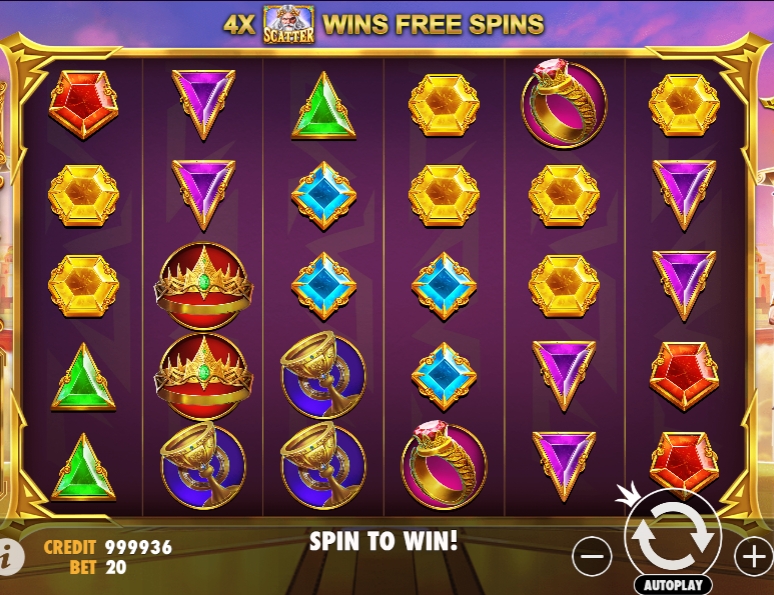
Hit frequency is the statistic that shows players how often a slot genuinely produces a winning spin. In South Africa, where many enthusiasts now enjoy Gates of Olympus, grasping this number enables separate sessions that appear lively from those that seem quiet. The game, built by Pragmatic Play, employs an ancient Greek theme and an unusual tumbling-reel engine that ensures symbols falling until no new wins appear. Because the reels can cascade several times in a single paid spin, the published hit frequency is higher than on traditional five-reel titles. Knowing the exact figure, and what it implies for your bankroll, allows you determine session length, bet size and expectations before you press spin.
Why Hit Frequency Counts Beyond You Think
The Majority of players concentrate on RTP and volatility, yet hit frequency dictates whether a game seems generous minute by minute. A high hit rate indicates smaller wins occur regularly, maintaining the balance alive and offering you more chances to trigger bonus features. A low hit rate could leave long gaps between payouts, even if the overall RTP is the same. For Gates of Olympus, the published hit frequency stands at roughly one win in every 3.3 spins, a number that feels responsive without being overly generous. When you compare this with classic three-reel machines that sometimes pay only once every eight or nine spins, the difference in rhythm gets obvious after just a few dozen rounds.
Orbs of Multiplication and How They Affect on Perceived Frequency
Spread throughout the base game are golden multiplier orbs bearing values of 2×, 3×, 4×, 5×, 10×, 20×, 50× or 100×. When two or more orbs appear on the same tumble sequence, their values combine and affect every win that happens during that sequence. Because the orbs are kept on the reels until the cascade ends, a single orb can enhance several consecutive wins, making each hit feel more valuable. The inclusion of these orbs does not alter the raw hit frequency, but it does alter how lucrative each hit seems, which is why many South African players label the game as “swingy” rather than flat.
How the 6×5 Grid and 20 Paylines Influence Frequency
Gates of Olympus features a six-reel, five-row layout with twenty fixed paylines. Because each line has to begin from the leftmost reel, the layout restricts the number of possible combinations versus “ways-to-win” games. The trade-off is that each payline holds more weight, so when a symbol lands in the right place the payout tends to be larger than on a 243-ways machine. The tumbling mechanic then multiplies the hit frequency: every winning line is removed, new symbols fall, and the same bet can yield several consecutive wins. In practice this means a single paid spin can record two, three or even four separate line hits, boosting the overall frequency figure without altering the payline count.
Common Spin Patterns You Will Notice
Brief Dry Runs Versus Extended Cascades
During testing sessions, dry runs of eight to ten spins appear, but they are typically followed by a cascade sequence that delivers three or four wins in quick succession. This ebb-and-flow pattern maintains the average hit frequency stable even when individual spins appear quiet. Players who record results over 500 spins will see clusters rather than perfectly even spacing, which is typical for any slot that features tumbling reels.
Free Spins Feature: Greater Risk, Identical Grid
Getting four or more Zeus scatters triggers the free-spin feature and awards fifteen initial spins. During this round a random global multiplier between 2× and 500× is active to every tumble, and each new scatter gives one extra spin. The hit frequency inside the bonus round decreases slightly because the game must hit the higher-value symbols to make the elevated multipliers meaningful. However, when a tumble pays, the payouts can be many times larger than anything found in the base game. Understanding this shift aids players choose whether to boost their bet before entering the feature or to keep stakes steady and enjoy the variance already on offer.
Important Figures at a Glance
- Payout rate in base game: approximately 30 % of spins produce at least one win.
- Free spins activation rate: roughly once every 280 paid spins.
- Top multiplier available: 500× applied across the entire sequence.
- Base RTP configurations: 96.50 % or 94.50 %, depending on the operator’s licence parameters.
Bet Range and Its Impact on Session Length
Wager amounts are from 0.20 and increase in small increments to a top of 100.00 per spin. As the win frequency is relatively high, even the minimum wager can maintain a session of many hundred spins before the balance shifts significantly. Users who like longer play on a set budget thus usually remain close to the bottom end of the scale, while players aiming for the 5 000× top prize commonly boost bets once they enter the free spins round. The selection is subjective, but the published numbers provide a concrete way to forecast the number of spins a chosen stake will support.
Useful Steps to Track Your Individual Hit Frequency
Keeping up a simple log turns abstract statistics into personal insight. Commence by noting the stake, the total number of spins and the number of spins that returned any credit. After 200 spins split the wins by the total spins to compute your own hit rate. If the result falls close to the published 30 %, the game is operating normally. Large deviations over short samples are common, so extend the test to at least 500 spins before reaching conclusions. Many South African players employ the history tab inside their chosen platform to export results, keeping the process quick and accurate without extra software.
Typical Misconceptions to Evade
- Assuming that a recent dry spell means a win is “due” — each spin remains independent.
- Supposing the free-spin multiplier applies to every future round — it resets with each new bonus entry.
- Mistaking tumble sequences with separate bets — only the initial spin deducts the stake.
Contrasting Gates of Olympus Alongside Comparable Titles
Other tumble-reel games like Sweet Bonanza or Fruit Party feature the same 6×5 layout and high hit frequency, yet they substitute the Greek theme and multiplier orbs with various bonus structures. Gates of Olympus is notable because its free-spin multiplier can reach 500×, a ceiling that few competitors equal. Players who prefer the Greek aesthetic and want the possibility of very large single-round wins often gravitate toward this title, while those who choose steady small payouts may stick to lower-volatility alternatives. The choice finally depends on whether the published hit frequency and multiplier ceiling correspond to personal goals.
Final Considerations on Utilizing Hit Frequency Data
Hit frequency does not represent a assurance of profit, but it is a dependable map of how a game distributes its returns over time gatesofolympus.co.za. By integrating the published 30 % rate for Gates of Olympus with your own session records, you can determine how long to play, when to adjust stakes and whether the free-spin round’s higher variance matches your budget. The next step is simple: open the game, set a modest stake, track the first 200 spins and contrast the result with the figures above. That simple exercise transforms marketing numbers into practical knowledge and lets you approach every future session with defined expectations rather than guesswork.